
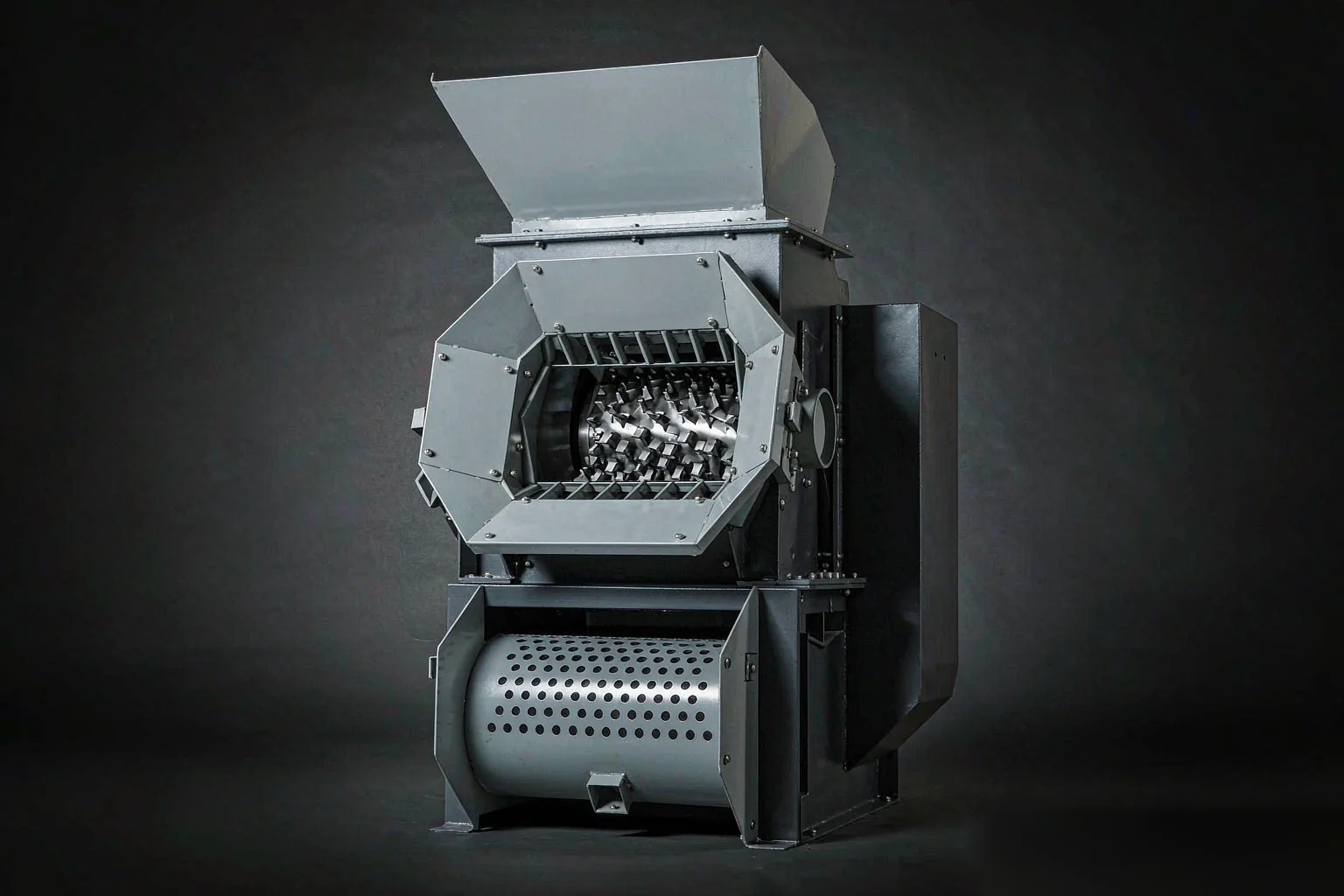
Granulatoren für Anguss- und Ausschuss-Recycling
Granulators for sprues, runners and rejects, from beside-the-press units to central systems, sized to your regrind ratio.
Details ansehen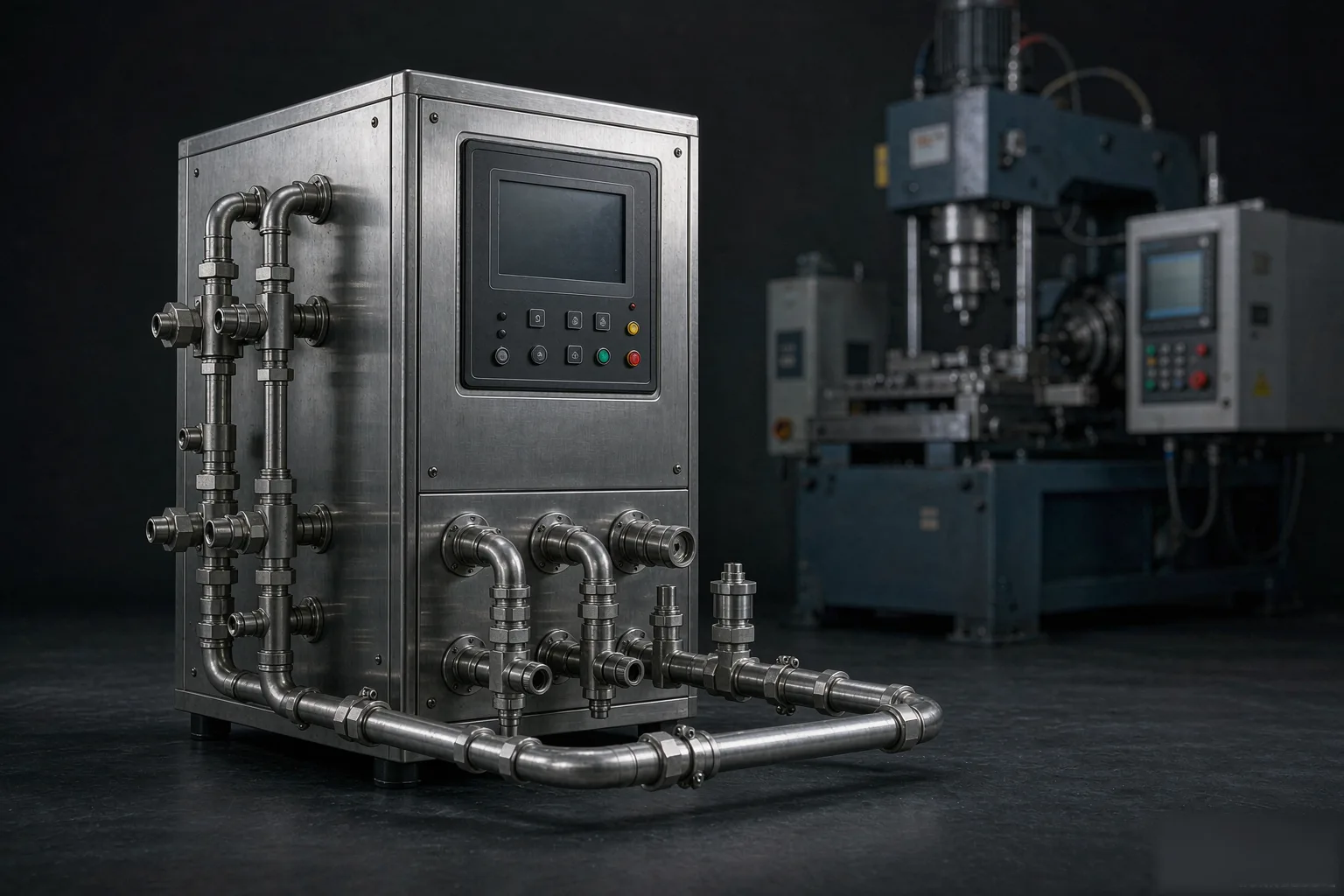
Temperature controllers for molds and hot runners, with zone count, sensor type and cooling capacity matched to your cell.
Nennen Sie uns Maschinenmodell, Schließkraft oder Bauraum. Wir bestätigen das genaue Gerät, die Steuerung und die Optionen vor der Preisgabe.
Engineering-Review Montag bis Samstag. Nennen Sie Maschinenmodell und benötigte Leistung — die Antwort enthält Preis, Lieferumfang und Lieferzeit.
Trockner, Kühler, Granulatoren und der Rest der Zelle, konfiguriert für Ihre Halle und Ihre bestehende Ausrüstung.
Unsicher, welche Größe passt? Schicken Sie das Maschinenmodell oder ein Foto des vorhandenen Geräts — wir gleichen es ab.
The temperature controller is the brain of the heating system. Its zone count, control algorithm and alarm logic decide whether temperature holds steady — and how fast a fault can be found when it does not.
| Dimension | What to consider |
|---|---|
| Zone count | Match the number of heating zones, with 10–20% reserve |
| Control algorithm | On/off, PID, adaptive PID; precision parts need PID or better |
| Input type | J/K thermocouple or PT100 — must match what is actually wired |
| Output | Relay or SCR; frequent switching calls for SCR |
| Alarms | Separate alarms for broken sensor, over-temperature, open heater |
| Communication | Whether it must connect to the machine or plant system |
Granulators for sprues, runners and rejects, from beside-the-press units to central systems, sized to your regrind ratio.
Details ansehen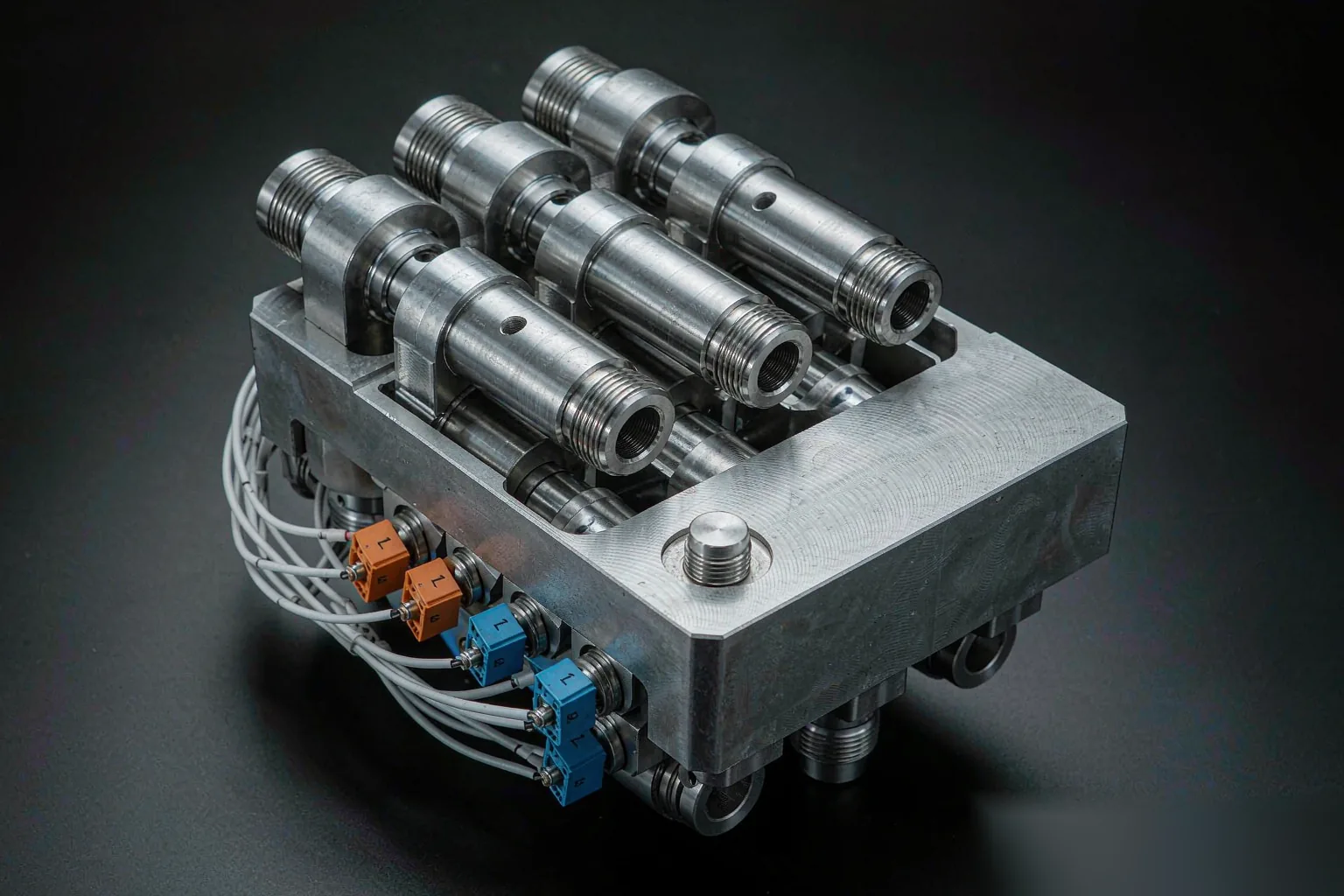
Hot runner temperature controllers from 1 to 48 zones with PID autotuning, soft start, zone alarms and thermocouple break detection.
Details ansehen
Temperature controllers for molds and hot runners, with zone count, sensor type and cooling capacity matched to your cell.
Details ansehenNennen Sie Maschinenmodell und Kunststoff — wir bestätigen Geometrie, Werkstoff und Wärmebehandlung, bevor wir das Angebot erstellen.
Zeichnung vorhanden? Antworten Sie auf unsere Bestätigungs-E-Mail mit der Datei — PDF, STEP, DXF oder ein Foto des Teils funktionieren alle.
Unser Engineering-Team antwortet während der Arbeitszeiten, Montag bis Samstag. Für dringende Aufträge rufen Sie an: +8613751260808.