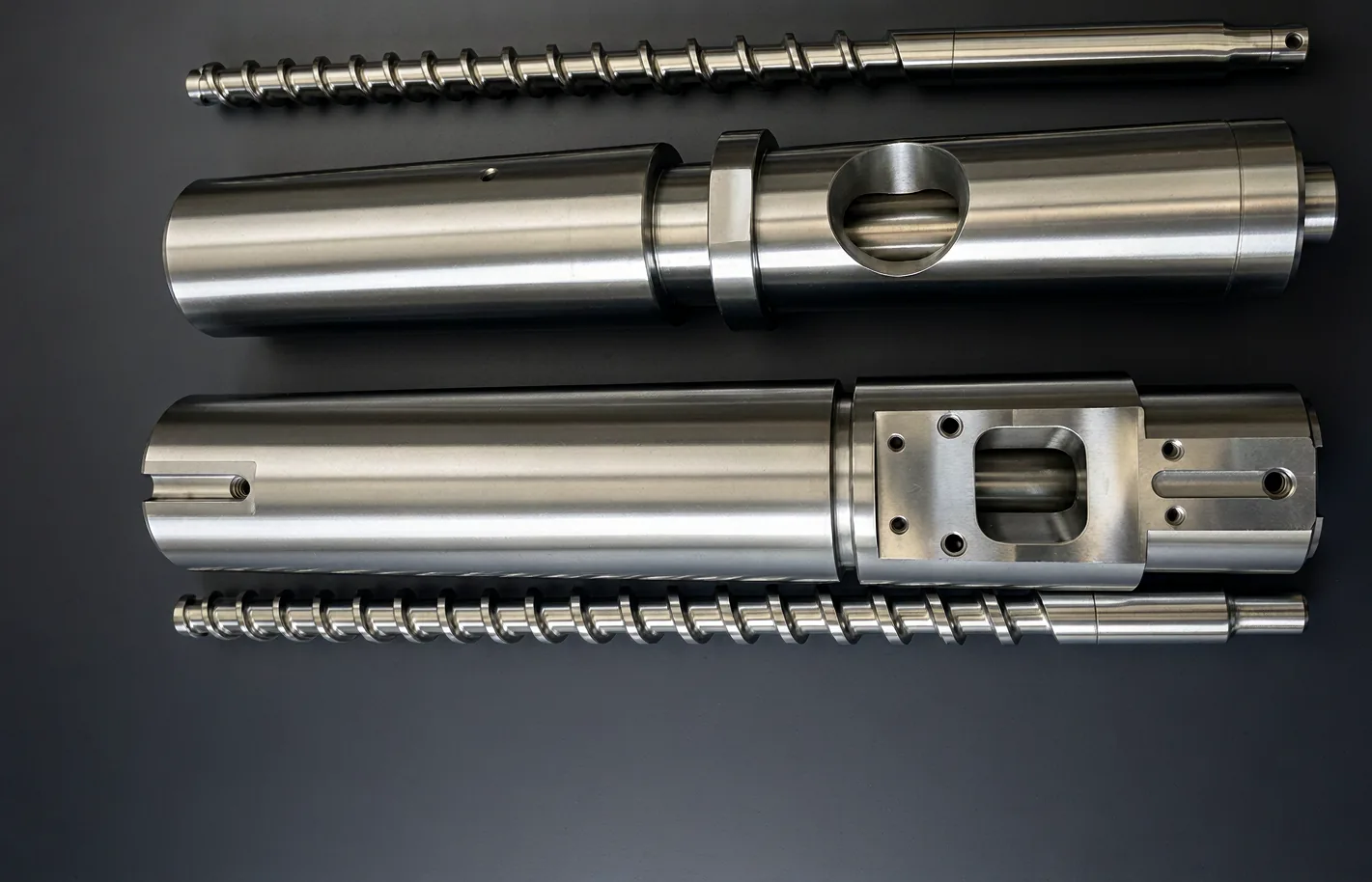
Xi lanh ép nhựa — thấm nitơ, lưỡng kim
Xi lanh cho máy ép và đùn với lớp lót thấm nitơ hoặc lưỡng kim, gia công theo kích thước trục vít của bạn và kiểm tra theo bản vẽ.
Xem chi tiết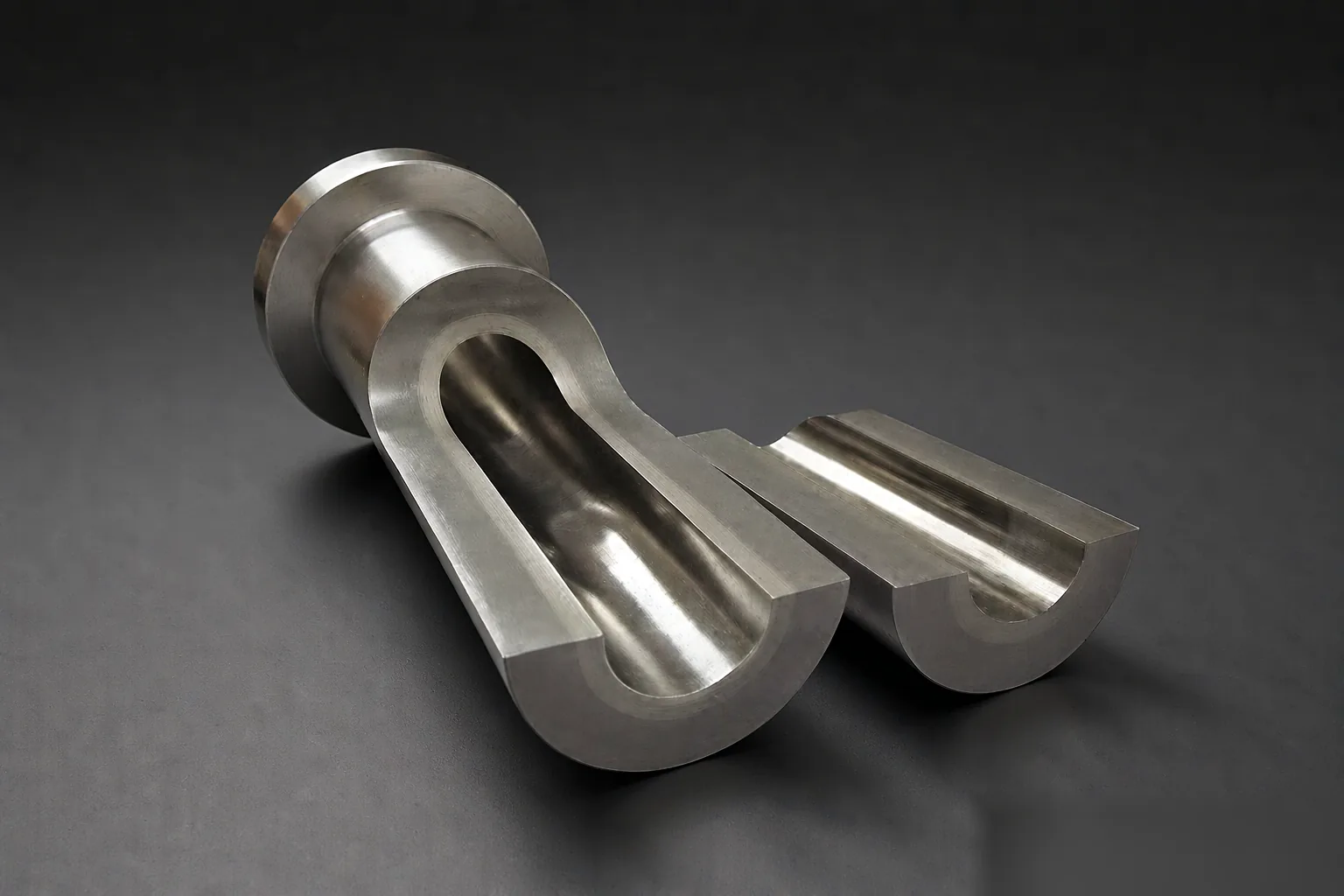
Wear-resistant liner for glass-filled, mineral-filled and abrasive compounds.
Gia công theo kích thước xi lanh và hình học trục vít của bạn — không giới hạn danh mục. Một chi tiết thay thế hoặc lô sản xuất đều nhận.
Đánh giá kỹ thuật thứ Hai đến thứ Bảy. Gửi model máy, đường kính trục vít và nhựa — câu trả lời gồm giá, mác vật liệu và thời gian giao hàng.
Chúng tôi gia công theo kích thước, không theo danh mục — trục vít và xi lanh thay thế cho máy Haitian, Engel, Husky, Arburg, Nissei và các loại khác, khớp lòng trong đo thực tế và đầu nối truyền động.
Chưa có bản vẽ? Gửi ảnh chi tiết mòn và model máy — chúng tôi suy ngược hình học và xác nhận với bạn trước khi gia công.
A bimetallic barrel carries a centrifugally cast alloy liner inside a steel shell. The liner is what the screw runs against, and it is chosen for the filler in your resin rather than for the resin itself.
| Parameter | Typical range | Confirmed at order |
|---|---|---|
| Shell material | Carbon or alloy steel tube | Mill certificate on request |
| Liner | Centrifugally cast wear-resistant alloy | Grade selected against the filler |
| Liner thickness | Commonly 1.5 to 4 mm after boring | Measured before and after machining |
| Liner hardness | Commonly HRC 60 and above | Tested on a coupon from the cast |
| Bore finish | Honed after the liner is cast in place | Profilometer check before dispatch |
| Bond integrity | Ultrasonic check for liner separation | Report available on request |
Tell us the filler type and loading and we will match the liner grade to it, rather than quoting the hardest option on the list.
On glass-filled, mineral-filled or corrosive compounds, and on high-throughput presses where downtime dominates cost. Under abrasive fillers the service life is substantially longer than a nitrided bore, which usually pays the difference.
Liner thickness and bond are measured before and after machining, and an ultrasonic check is available. The figures go into the inspection record shipped with the barrel.
It depends on how much liner remains — the liner thickness is measured first, and we quote re-machining or replacement against that measurement rather than guessing.
The bore is finished to match the screw it will run with, including the flight clearance against the measured diameter — not to a nominal bore. Send the machine model or the old barrel.
Xi lanh cho máy ép và đùn với lớp lót thấm nitơ hoặc lưỡng kim, gia công theo kích thước trục vít của bạn và kiểm tra theo bản vẽ.
Xem chi tiết
Wear-resistant liner for glass-filled, mineral-filled and abrasive compounds.
Xem chi tiết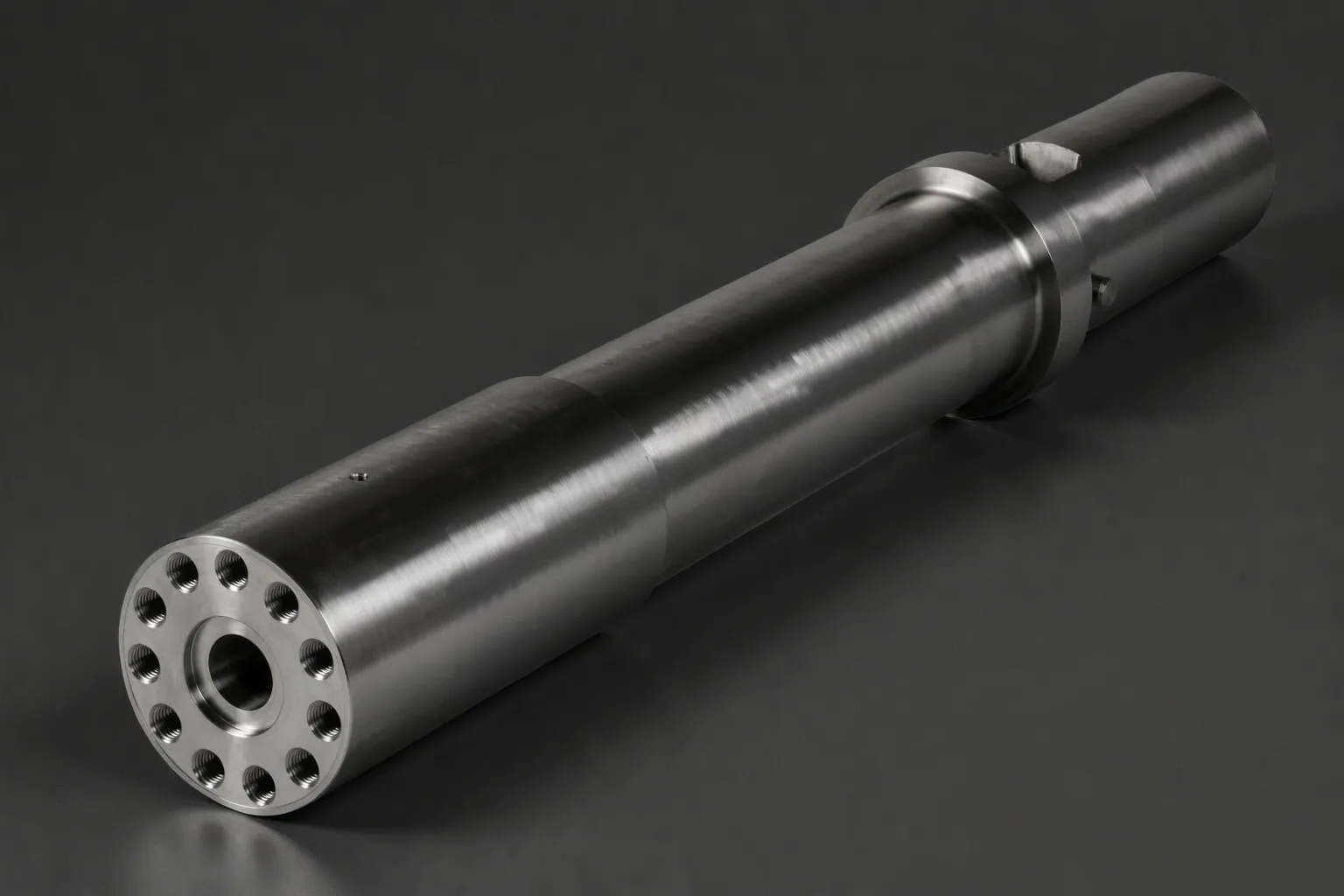
Hardened bore for commodity and engineering resins without aggressive fillers.
Xem chi tiếtCung cấp model máy và nhựa — chúng tôi xác nhận hình học, vật liệu và xử lý bề mặt trước khi báo giá.
Đã có bản vẽ? Trả lời email xác nhận kèm tệp — PDF, STEP, DXF hoặc ảnh chi tiết đều được.
Đội kỹ thuật trả lời trong giờ làm việc, thứ Hai đến thứ Bảy. Đơn gấp, vui lòng gọi: +8613751260808.